Turning Design into Reality: From Concept Sketches to a Milan Design Fair Chair
Salone del Mobile Metal and Rattan Innovative Chair Development Case Study
Client: Premium rattan home design brand – Mattan
Project Goal: Within an extremely tight timeline before Salone del Mobile, overcome structural strength challenges and successfully develop a crossover chair design combining traditional rattan weaving with modern industrial metal.
1. Project Background: When Traditional Craft Meets Modern Industry
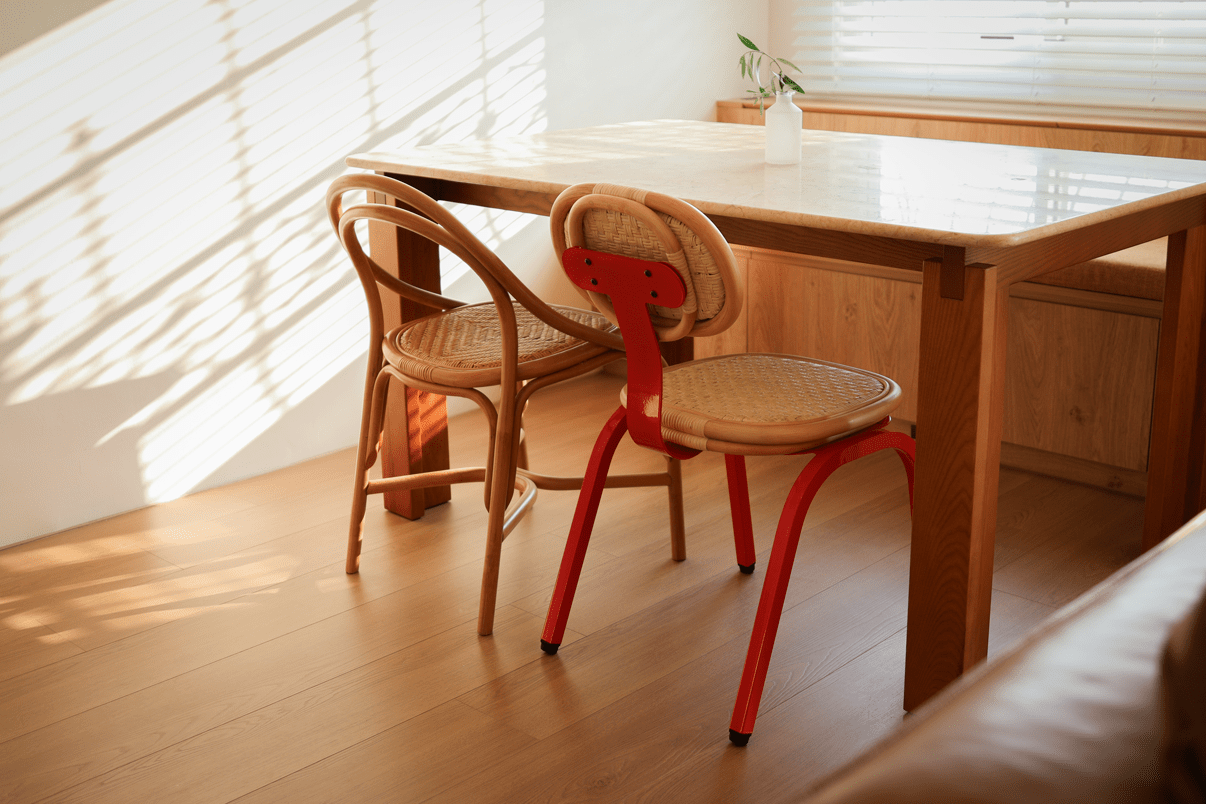
Our client is a design brand deeply rooted in rattan weaving, with strong expertise in traditional aesthetics. To make a striking appearance at Salone del Mobile, one of the most influential stages in the design world, the client boldly proposed a new concept: a natural rattan seat combined with a metal frame. The design aimed to break away from conventional perceptions of traditional chairs by creating a crossover contrast between warm, handcrafted rattan and the clean, cool lines of modern industrial metal.
However, traditional rattan weaving and metal fabrication belong to completely different manufacturing systems. How to perfectly combine two materials with very different properties while preserving refined aesthetics and ensuring practical usability and structural safety became the core challenge of this collaboration.
2. Core Challenges: Time Pressure and Structural Strength
This project faced two major challenges:
- Extremely tight timeline: The sample submission deadline for Salone del Mobile was very close. From drawing review and mold development to the first batch of samples, there was almost no room for error.
- Structural issues in the first sample batch: After the first physical samples were produced, initial load and stress testing revealed insufficient overall structural strength. Because the metal lines were designed to be extremely slim and refined, slight deformation and shaking appeared at specific stress points. If not resolved immediately, the chair would not meet safety standards and could even affect the brand’s reputation.
3. Technical Expertise: How We Helped the Client Overcome the Challenge
Facing this unexpected structural issue, we did not ask the client to compromise the design aesthetics. Instead, we immediately activated our in-house technical team and began an intensive technical dialogue with the client through a highly efficient response process.
1. Data-Based Stress Analysis and Precise Design Modification (Design for Manufacturing)
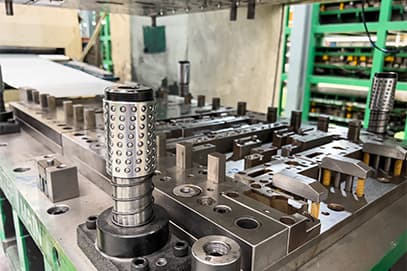
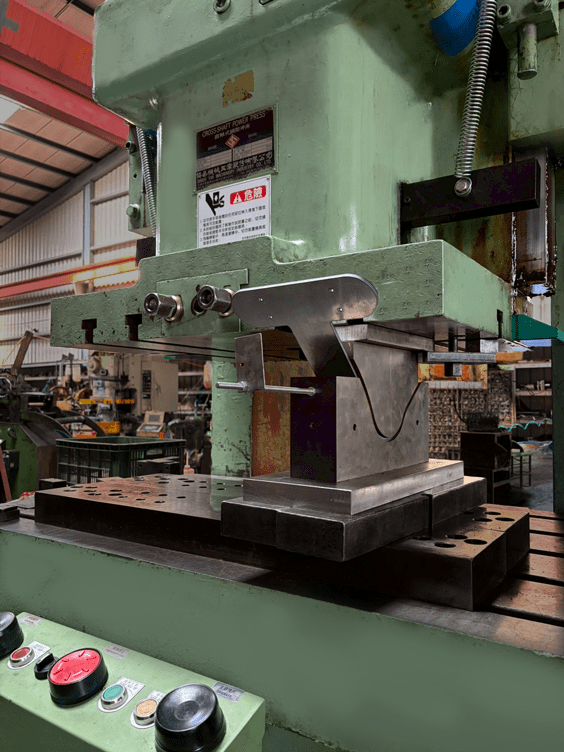
With decades of experience in metal fabrication and mold development, we reassessed the chair’s load-bearing stress points and the tensile forces at assembly joints. Without changing the exterior proportions or visual lines, we made key engineering design changes:
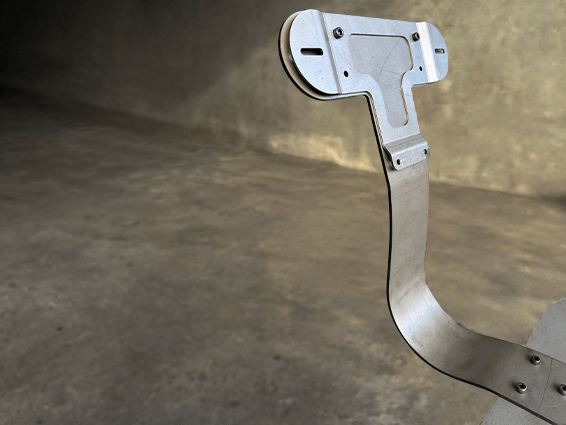
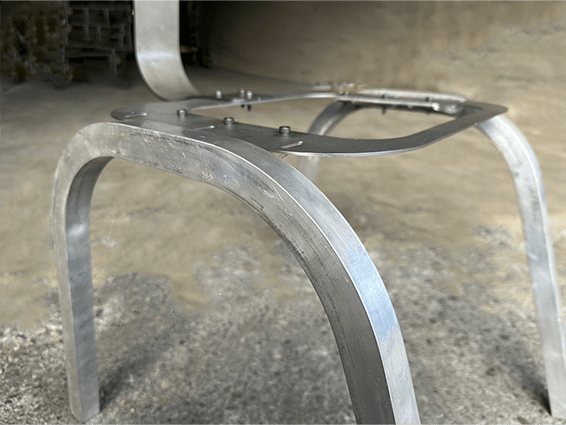
- Thickness Optimization: To improve seating comfort and safety, we adjusted the thickness of the seat and backrest structures. First, we increased the material thickness of the seat frame to strengthen the overall rigidity and shock resistance of the chair. At the same time, we fine-tuned the backrest structure thickness to control the flexibility of the metal plate, providing firm ergonomic support. This design change greatly improved safety and durability while visually preserving the slim and delicate appearance of the original design.
- Concealed Support Engineering: As the core base structure connecting the left and right chair legs, the stability of the seat base determines the rigidity of the entire chair. We introduced an integrated concealed reinforcement process into the lower frame, significantly improving impact resistance and anti-sway performance without disrupting the clean metal lines. Once the upper rattan seat was fully installed, this crucial structural optimization became an invisible yet solid support, achieving a balance between design aesthetics and structural safety.
2. Project Timeline Optimization and Efficient Collaborative Communication
To race against time, we broke away from the traditional linear development process and proactively leveraged the flexibility and integration capabilities of the factory side:
- Activation of existing resources: After evaluation, we advised the client that some mature in-house molds could be used as substitutes. This not only saved the client high mold-opening costs, but also significantly reduced the waiting time required for prototyping.
- Synchronized design changes and mold reinforcement discussion: Both sides communicated closely and directly discussed the fastest and most efficient adjustment plan for the required modifications. We also confirmed the subsequent mold reinforcement method at the same time to ensure that perfect samples could be produced within the shortest possible timeline.
- Precise scheduling and production-line reservation: Across each manufacturing stage, we exercised strict schedule control, proactively informing the client and upstream/downstream partners of key timing for the next process. We reserved production-line capacity in advance to ensure smooth cross-process coordination and complete this urgent Milan project with precise execution.
| Structure and Optimization Item | Technical Adjustment and Mechanical Consideration | Collaborative Communication and Timeline Benefit |
|---|---|---|
| Seat frame thickness optimization | Increased material wall thickness to eliminate dynamic shaking from the base, greatly improving structural rigidity and shock resistance. | Activated mature in-house molds, eliminating the time required for new mold development and reducing development costs. Production processes were planned in advance, and production-line capacity was reserved early to ensure seamless workflow coordination. |
| Backrest structure thickness adjustment | Fine-tuned the elastic stress of the metal plate to provide firm back support and greatly improve the sense of security during use. | |
| Concealed support engineering | Introduced an integrated concealed reinforcement process into the lower frame. After the rattan seat was installed, the reinforcement became fully hidden while preserving a clean appearance. | Both sides discussed the fastest and most efficient design-change and mold-reinforcement plan in real time, ensuring that perfect samples could be produced within an extremely short timeline. |
4. Results: Shining at Salone del Mobile
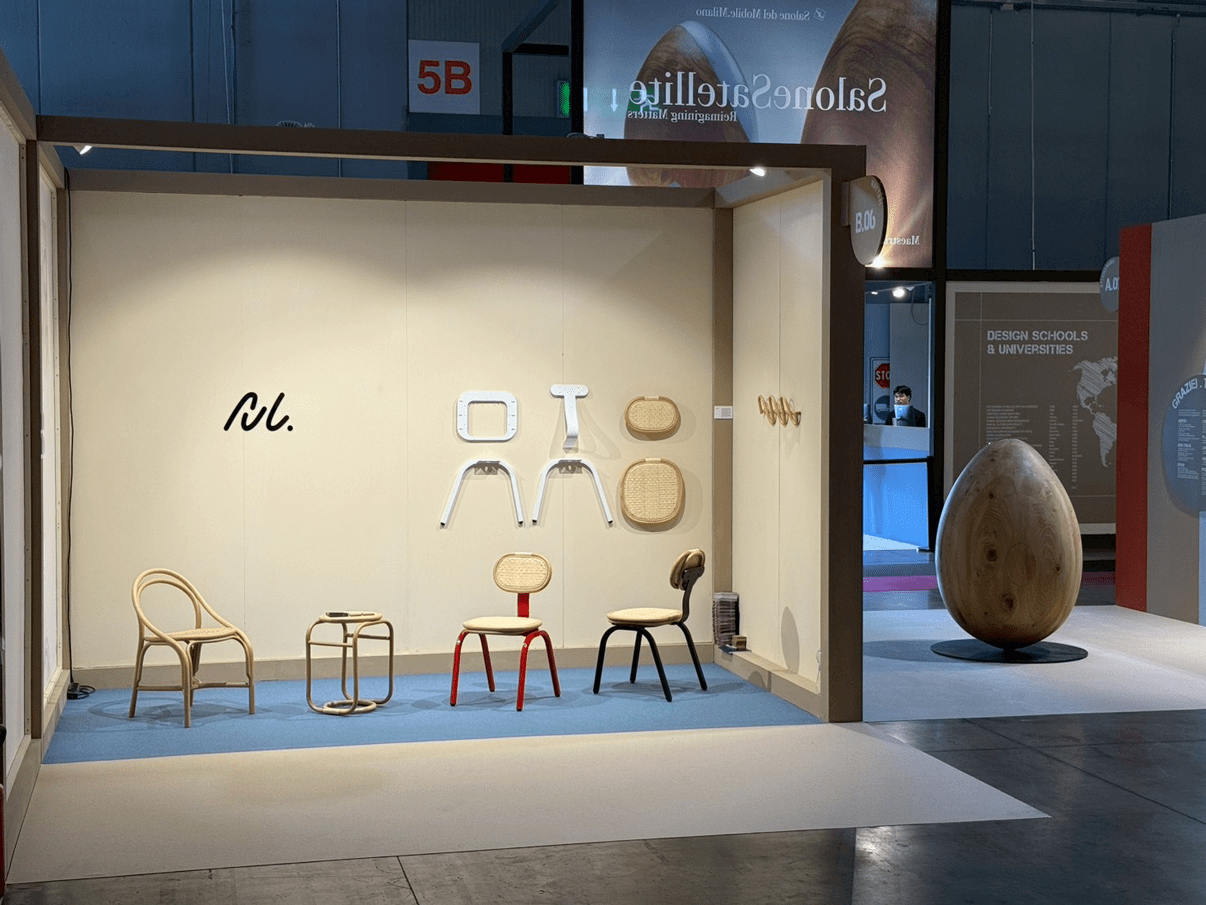
Through close trust and effort from both sides, the improved second-version sample demonstrated remarkable rigidity and stability. It was completed before the final deadline and shipped across the ocean to Italy.
At Salone del Mobile, this chair combining metal and rattan received praise from international buyers and designers. The natural warmth of traditional rattan, set against a modern precision metal frame, created a distinctive aesthetic contrast. This not only helped the client successfully expand into the international high-end furniture market, but also proved our capability to transform forward-looking design concepts into real, manufacturable physical samples through engineering expertise and practical execution.
Core Value Summary
We believe that an excellent manufacturing partner should not simply “make according to drawings,” but should also serve as the client’s chief technical advisor. In this project, we not only helped the client resolve a pre-exhibition crisis within a limited timeline, but also used real factory experience to give an avant-garde design the solid craftsmanship needed for safety, manufacturability, and real-world execution.